What to Expect When Getting a Prosthetic Leg: A Complete Guide for First-Time Users
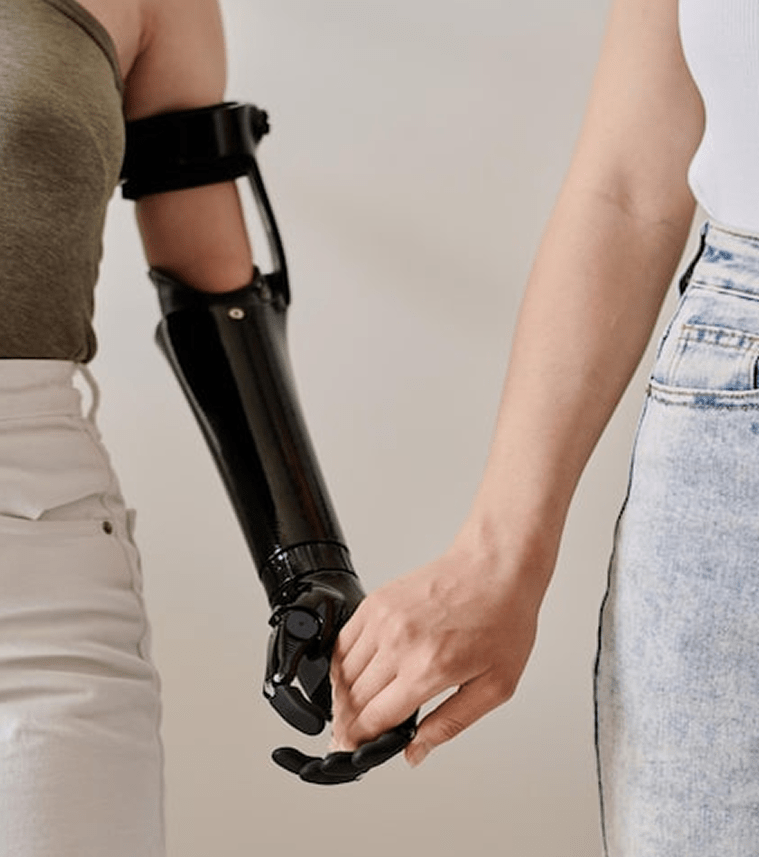
Losing a limb is life-changing, but modern technology has made it possible to walk, work, and live actively again. If you or a loved one is considering a prosthetic leg, choosing a trusted UAE Prosthetic Clinic with qualified specialists is the first step toward a safe and comfortable recovery. This guide explains the journey, from the first consultation to daily life with your new limb.
Why Is a Prosthetic Leg Needed?
A prosthetic leg replaces a limb lost through injury, diabetes-related complications, vascular disease, infection, or a congenital condition. Its purpose is to restore balance, mobility, and independence. Today’s prosthetics are lightweight, durable, and designed to fit each person’s body and lifestyle.
Step 1: Initial Consultation and Assessment
Your journey begins with a detailed evaluation. A prosthetist reviews your medical history, activity level, general health, and personal goals. They also examine the residual limb to check its shape, skin condition, and strength. This assessment helps determine which type of prosthesis suits you best.
Step 2: Casting and Custom Design
Once the assessment is complete, a mold or digital scan of your residual limb is taken. This ensures the socket, the part that connects your limb to the prosthesis, fits snugly and comfortably. A well-fitted socket reduces pressure, prevents skin irritation, and improves stability while walking.
Step 3: Choosing the Right Components
Every prosthetic leg is made of several parts, including the socket, knee joint, pylon, and foot. Depending on your needs, you may choose between:
- Mechanical knees: Reliable, durable, and cost-effective.
- Microprocessor-controlled knees: Adjust automatically to your walking speed and terrain.
- Energy-storing feet: Give a more natural push-off with each step.
Your prosthetist will guide you based on your lifestyle, whether you work at a desk, play sports, or spend most of the day on your feet.
Step 4: Fitting and Rehabilitation
The first fitting is an important milestone. Your prosthetist makes adjustments to ensure comfort and alignment. After that, physical therapy helps you rebuild muscle strength, improve balance, and learn to walk with your new limb. Most people need a few weeks to several months to adapt fully, and progress depends on your health, age, and commitment to training.
Step 5: Daily Care and Maintenance
Proper care keeps your prosthesis working well for years. Clean the socket and liner daily, check your skin for redness or sores, and wear clean prosthetic socks. Regular follow-up visits are also important because your residual limb may change shape over time, and the fit will need adjustments.
Emotional Support Matters Too
Adjusting to a prosthetic limb is not only physical. Feelings of frustration or anxiety are common in the early stages. Support from family, peer groups, and healthcare professionals can make the transition smoother and more positive.
Conclusion
Getting a prosthetic leg is a gradual process, but with the right care team, patience, and rehabilitation, most people regain confidence and mobility. Advances in Lower Limb Prosthetics have made devices more comfortable, functional, and natural-looking than ever before. If you are considering a prosthesis, book a consultation with a qualified specialist and take the first step toward an active, independent life.
Frequently Asked Questions (FAQs)
1. How long does it take to get a prosthetic leg?
The process usually takes a few weeks, depending on your healing, the type of prosthesis, and the customization required.
2. Is walking with a prosthetic leg painful?
Some discomfort is normal at first as your body adjusts. Persistent pain usually means the socket needs adjustment, so contact your prosthetist.
3. How long does a prosthetic leg last?
Most prosthetic legs last between three and five years, depending on use, care, and activity level. Some components may need earlier replacement.
4. Can I play sports with a prosthetic leg?
Yes. Many people run, swim, and cycle using specialized prosthetic components designed for sports.
5. Do I need physiotherapy after getting a prosthesis?
Yes. Physiotherapy builds strength, improves balance, and helps you walk safely and confidently.